Developing university science teachers: Identities, networks, and practice
This integrated project aims to transform undergraduate science education in Denmark by investigating and supporting the development of university science teacher identity in physics and biology.

The project will generate new knowledge on how educator identity, collaboration, and teaching practices interact in higher education science settings, and feed this knowledge back into the university pedagogy programs that form the backbone of university science teacher training in Denmark. The work packages will: 1) develop a model of university science teacher identity, 2) validate this model through interviews and use it to guide observations of professional development, 3) look for evidence of identity shifts after professional development in follow-up interviews and course observations. The approach is mixed-methods, combining qualitative interview and observation data with more standardized course observations and social network analysis. The goal is to build knowledge about the teacher identities of university science educators in two key disciplines, to survey science department teaching networks and physics and biology teaching practices in Denmark, and to both support and investigate the Danish model of university science teacher training.
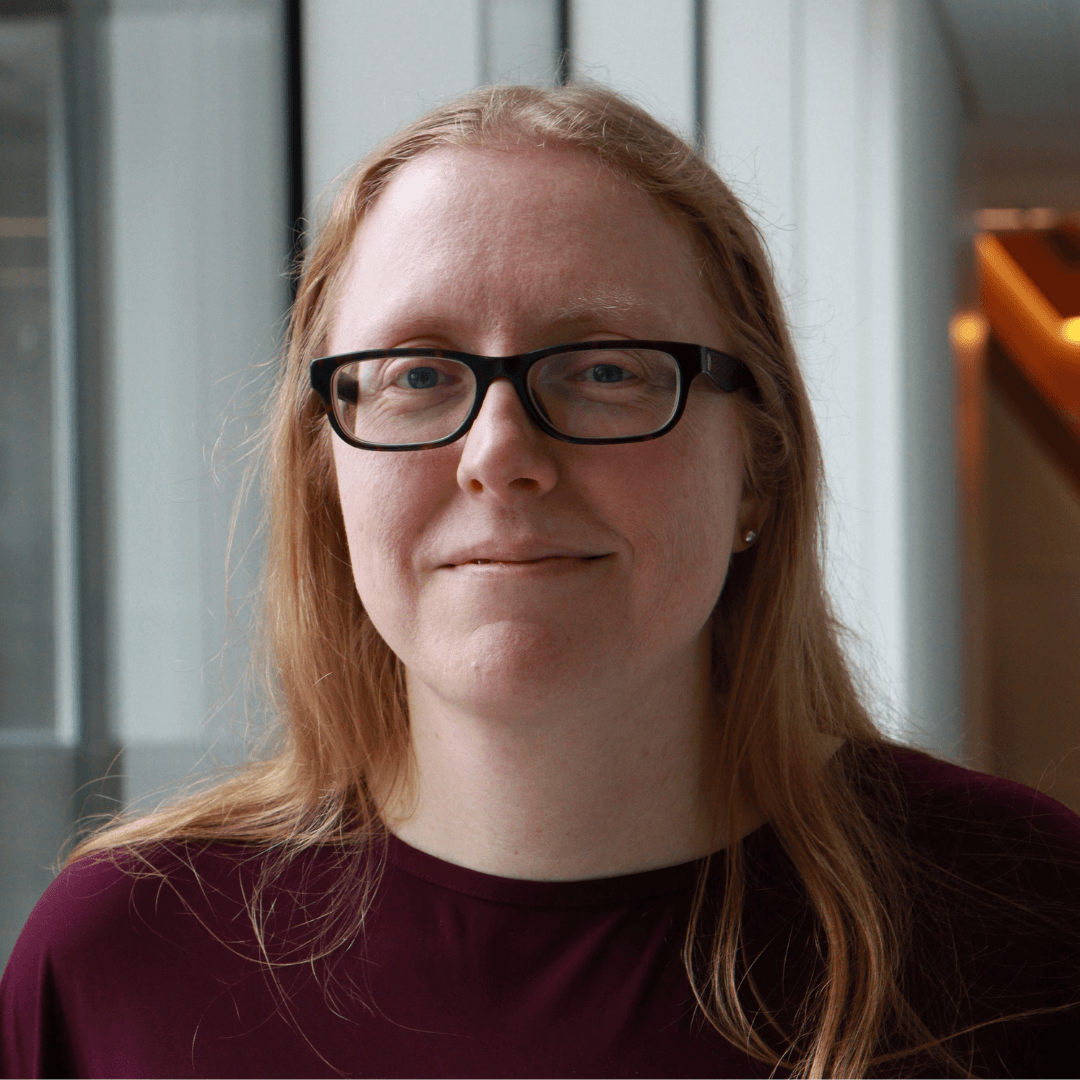
WP Leader: Adrienne Traxler, UCPH
Recognizing that university science educators often lack professional identity as teachers, this work package lays the foundation of the project by exploring how educators in physics and biology construct, negotiate, and evolve their teaching identities. It includes analysis of teaching social networks as a key context for understanding what is supported and possible in individual and department contexts.
We ask the following research questions:
RQ1: How do participants see themselves as teachers?
RQ2: How are these identities situated in the context of their personal and departmental teaching networks?
RQ3: How are teaching networks structured at science departments in Denmark?
WP Leader: Assistant Professor (UCPH)
The Danish Ministry of Education states that “The university is responsible for ensuring that academic staff performing teaching duties have the necessary pedagogical-didactic competencies required to perform their specific teaching duties,” and that “Employees in principal positions . . . must continuously maintain and develop their acquired pedagogical-didactic competencies. The university must have a plan for the maintenance and development of these competencies”. At the USE Center partners in Denmark, this is addressed by the Universitetspædagogikum (UP) course, a program of 150-270 hours. At UCPH, the UP course days and peer supervision activities give significant time for discussion and reflection on teaching, and some activities explicitly invite participants to consider their identity as teachers. However, program details vary significantly, and there has been no extended study of how the course may contribute to university science teacher identity development. This work package, led by an assistant professor, will study UP course structure and differences, starting with KU as a case but extending as feasible to AAU and SDU.
RQ: What opportunities and evidence to UP courses provide for developing university science educator identity?
WP Leader: Adrienne Traxler, UCPH
Building on a comparative research design, this work package focuses on instructional practices in physics and biology. Classroom observations will be used to map classroom practice before and after professional development, to better understand the prevalence and types of teaching methods used by participants and how these relate to their educator identities.
Work package 3 builds on the “how can UP courses develop USE identity?” question of WP2 by asking “what happened?” This WP will collect classroom observation data to map teaching practices in physics and biology courses both before and after the professional development of WP2, providing an essential follow-up on how teachers’ beliefs, expectations, and aspirations actually play out in the classroom
RQ1: What kinds of student and teacher activities characterize in-class time for physics and biology courses at Danish universities?
RQ2: What elements of teaching identity are observable in participants’ course teaching after taking UP?
RQ3: What changes in science teacher identity can be observed in pre- to post-UP interviews?