
Researcher: Do not let students form their own study groups
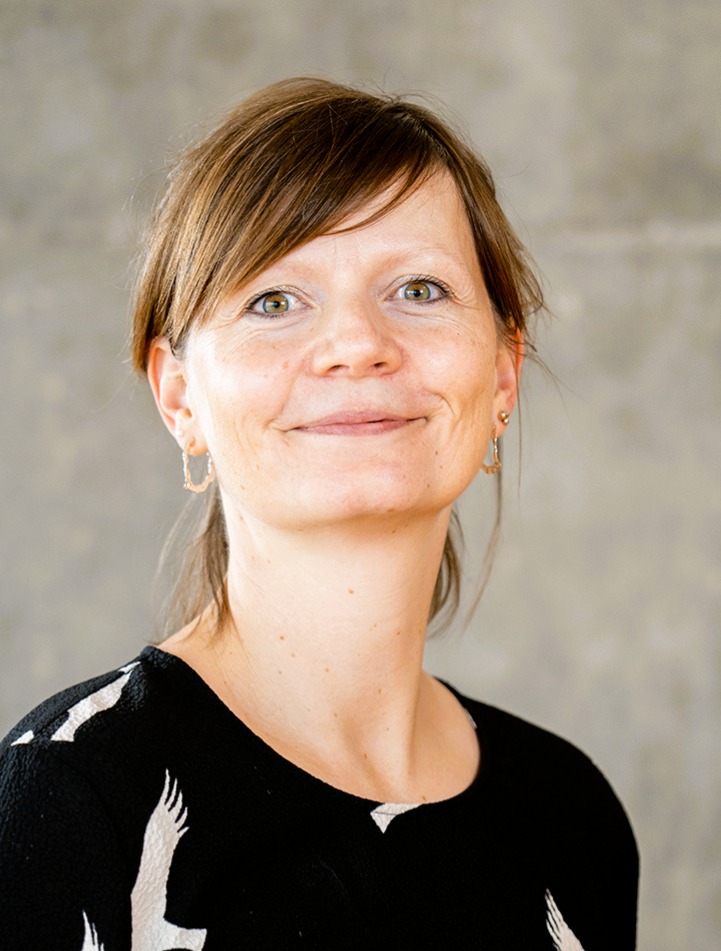
To provide optimal conditions for learning and well-being, educators must take responsibility for group formation, says Katrine Ellemose Lindvig.

Please, form groups.
It's tempting as an instructor to go for the simplest, self-organising approach to group formation. Perhaps you're even facing students who want to organise themselves who they are going to discuss and share notes with.
But for the students' own sake, the task of composing groups should belong to the instructor, says Katrine Ellemose Lindvig, associate professor at the Department of Science Education.
"Letting students form their own study groups without any structure or facilitation is like inviting a large group of people to a party without having any idea what's supposed to happen or where they should sit," she says.
"It might work out, but there's a big chance the quiet types go home early, and the rest only talk to people they already know."
A safe environment
There are clear advantages to taking control of how groups are composed. The first is about creating a safe teaching environment for all students, Katrine Ellemose Lindvig emphasises.
"You have a lecture hall with 100 very different students. Some come straight from upper secondary school, some are mature learners, some are neurodivergent. They all need to feel welcome."
By taking the responsibility for group formation onto yourself as an instructor, you take the pressure off students to find and form the groups which, on long courses, are an important part of the infrastructure around teaching. It also gives the instructor better opportunities to help if group cooperation hits trouble.
"Conflicts always arise. If you made the groups and you know why the group was formed, you're better able to give them tools to resolve the conflict," says Katrine Ellemose Lindvig.
Logistics are decisive for longer-term groups
Composing groups for shorter sessions or a single class can be as simple as placing name cards on the tables before class, or asking students to turn around and talk to the person next to them and the two behind.
If the study groups or project groups are going to work together across a whole semester or block, you can use the criteria that research has shown are most decisive for a well-functioning study group. And it's not about whether people already know each other or match on a personality test, says Katrine Ellemose Lindvig.
"The most important parameters are purely practical – when do you prefer to meet, and where do you prefer to meet. If the students agree on that, you're already a long way," says Katrine Ellemose Lindvig.
"The last element is a shared expectation of how much the social aspect should matter. Is it purely for work, or do we also cook dinner together?"
Focusing on logistics rather than assumptions about what makes a group work is one way to ensure more well-functioning groups – and at the same time study groups with more diversity.
"When we form groups based on visible diversity or visible traits – mixed genders, different personality types – we risk creating superficial diversity."
Group formation can be automated
While this sounds like extra work for instructors, it's actually possible that the added task makes the work easier in the end. When groups function better and students know why they have them, they have better conditions for learning what we're trying to teach them, Katrine Ellemose Lindvig points out.
At the same time, a tool like My Study Group can be used to collect the limited information you need from the students and divide them into groups based on their answers. This way the work becomes automated, and the platform also helps provide collaboration tools such as group contracts to the students.
"Whether it's shorter or longer group work, what matters is that group formation isn't left up to the students," says Katrine Ellemose Lindvig.
"When you as an instructor are transparent about the purpose of the group work and why the students are put together as they are, you increase wellbeing and psychological safety in the room."